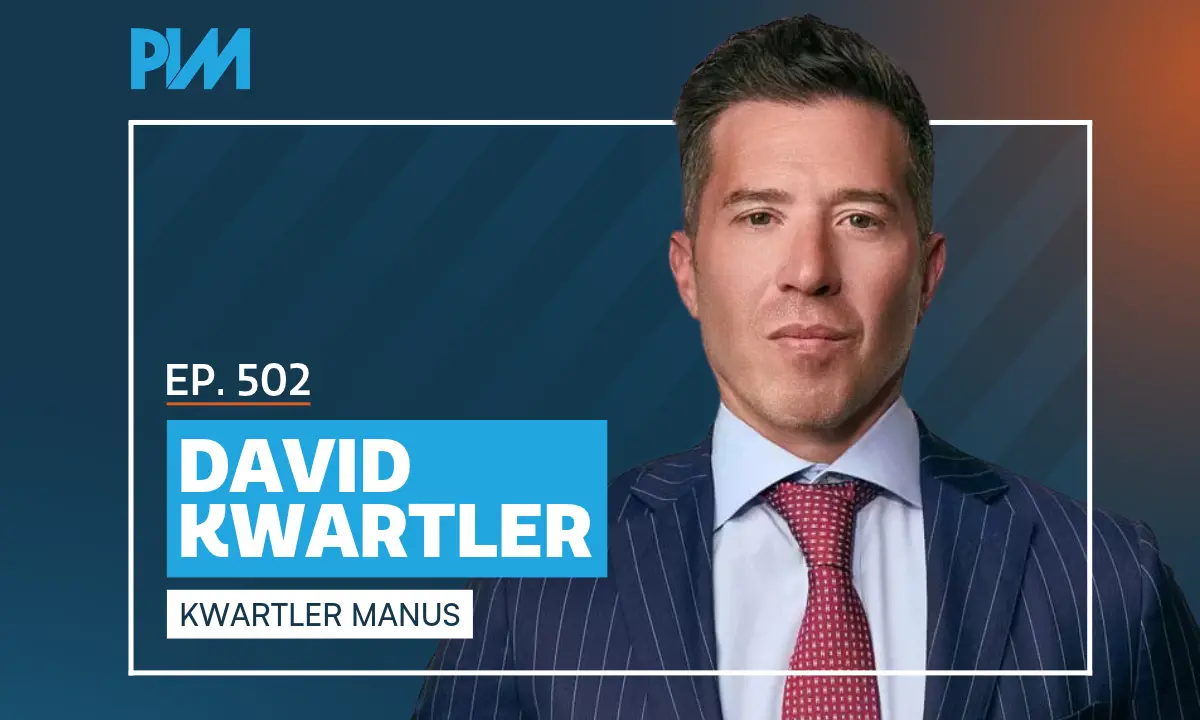
Every new litigator David Kwartler hires starts with zero cases and won't turn a profit for about 16 months. He keeps hiring them anyway.
David Kwartler, CEO of Kwartler Manus, spent years as lead trial counsel in dozens of cases and recovered more than $100 million for clients. Then he did something that's far easier said than done: He stepped out of the courtroom to run the business. Today his firm has 15 attorneys and 70 staff across Pennsylvania and New Jersey, leans heavily on litigation and trials, and a CEO who knows his numbers cold runs the law firm.
In this episode, David shares the breaking point that forced his attorney-to-CEO transition, the law firm unit economics behind every new hire, and the unexpected place he finds future lawyers. He also reveals what happened when he walked away from paid search entirely, and which buzzy AI tool his team quietly stopped using.
If you want to be the firm injured people call first for auto and truck accident cases, visit Rankings.io.
What It Takes to Go From Trial Lawyer to Law Firm CEO:
- How did David Kwartler move from attorney to CEO?
Around 2017, while switching from MyCase to Litify, David was still handling and trying cases, signing up clients, and doing PIP applications on top of the implementation. He hit a breaking point. His first move was hiring his brother, who had an MBA and experience managing a call center at a Salesforce-based company, as COO. Next, he hired more lawyers so he could step out of litigation.
- How long does it take a new litigator to become profitable?
At Kwartler Manus, new lawyers start with zero cases and build their caseload over time. They're usually busy by the time they reach 20 to 30 cases, within the first two or three months, but the cases haven't resolved yet. Factoring in salary, it takes about 16 months before a new litigator breaks even and becomes profitable. Moving cases from other lawyers doesn't solve this, because it just shifts the money around.
- What KPIs should a personal injury firm track?
David tracks fees per case for both litigation and pre-lit, all-time and over the last 365 days, plus time to resolve a case. In litigation, he measures how long it takes to file once the team deems a case file-ready, how many days it takes to serve the complaint, and the time from settlement to disbursement. He also tracks intake calls and conversion rates, and he uses a consultant-built unit-economics model showing the cost to intake, pre-lit, and litigate a case. A separate spreadsheet compares the same month year over year.
- How can a law firm build its own lawyers?
Two former case managers left for law school and returned as paid summer associates. The firm doesn't pay for law school but does pay them for their time, with a summer plan that has them answering interrogatories and attending depositions, arbitrations, mediations, and jury selection. David expects that by the time they earn their licenses, they’re ready to step right in. The firm also prefers hiring smart people with food service or retail experience over veteran paralegals, because they adapt more easily to its systems.
- Should a growing PI firm use Litify or MyCase?
For new or smaller firms, David recommends MyCase. He says it's easy, inexpensive, and doesn't need a dedicated person to manage it. Kwartler Manus switched to Litify for more robust intake, tracking, reporting, and KPIs, but it costs more and requires two to three people to help manage it. In David's experience, very small firms don’t purchase Litify anyway.
- Can billboards and TV replace PPC for a personal injury firm?
That's what Kwartler Manus tested. With PPC spend reached $50,000 a month and produced nothing, David cut it off. The firm still pays for branded Google searches and runs 70 to 80 billboards plus broadcast TV, which it ran on all the major networks by February. He can't attribute signed cases directly to TV, but overall volume is up a good percentage, and branding is the only thing that changed.
- Is streaming TV worth the cost for law firms?
Not at every price point. David can buy Roku at around a $6 CPM, while Paramount runs about $25. "The Roku people are no worse than the Paramount people," he says. Local network TV and YouTube are much cheaper ways to get in front of viewers.
- Which AI tools are worth using in a PI firm?
Kwartler Manus tried an AI tool that reviewed medical records and created demands, but staff found it missed things and had to double-check its work, so the firm stopped using it. Tools that stuck include an AI phone system that handles non-client calls such as insurance companies asking for updates, Lexify chase agents that automatically log calls, and an in-house tool that reviews new cases and recommends signing, referring, or escalating them to David.
Want to score every marketing channel on the cases it pays for and decide where your marketing budget goes? Download "Where Should My Next Marketing Dollar Go?"
If you want to keep learning from the best voices in PI, join us at PIMCON 2027. Buy your tickets now!
Subscribe to our newsletter and get the freshest news every Monday: newsletter.rankings.io
Guest Details
David Kwartler is the CEO of Kwartler Manus, a personal injury firm serving all of Pennsylvania and New Jersey with 15 attorneys and 70 staff. The firm focuses almost entirely on personal injury, with some medical malpractice and mass torts, and leans heavily on litigation and trials. As lead trial counsel in dozens of cases, David recovered over $100 million for clients before transitioning to CEO, where he now focuses on strategic execution, organization, and a client-first experience.
Learn more about running a PI firm:
- EP 500: James Helm on TopDog Law | Personal Injury Marketing
- EP 492: Rachel Flood on Filing Suit | Litigation Strategy
- Law Firm Website Content: A Practical Guide
Connect With Chris Dreyer and Rankings.io
Chris Dreyer is the CEO and founder of Rankings.io, the elite law firm marketing experts for all your digital marketing and modern search needs.
- Personal Injury Mastermind w/ Chris Dreyer powered by Rankings.io: Instagram | YouTube | TikTok
- Chris Dreyer: Website, Instagram
- Books: Personal Injury Lawyer Marketing: From Good to GOAT; Niching Up: The Narrower the Market, the Bigger the Prize
- Rankings.io: Website, Instagram, X
- Work with Rankings.io: Connect