Chris Dreyer:
In personal injury, if you stand still, you get left behind, but surviving and dominating for 50 years takes an entirely different mindset.
Ira Leesfield:
You have to constantly reinvent yourself as a law firm with your lawyers in the firm, reinvent yourself in terms of subject areas, practice areas, and also reinvent yourself seriously on the marketing side.
Chris Dreyer:
When defense counsel sees your name on a complaint, the entire dynamic changes if they know you have the resources and track records to go the distance.
Ira Leesfield:
They know we've screened the case. They know we have the experts. They know we don't take cases of marginal quality. We will not be able to wear them out.
Chris Dreyer:
That kind of leverage isn't built just overnight. It's built by dominating high barrier niches and executing a marketing strategy where every single dollar is deployed with intention.
Ira Leesfield:
Longevity matters a lot, but longevity alone gets you nowhere if you don't perform.
Chris Dreyer:
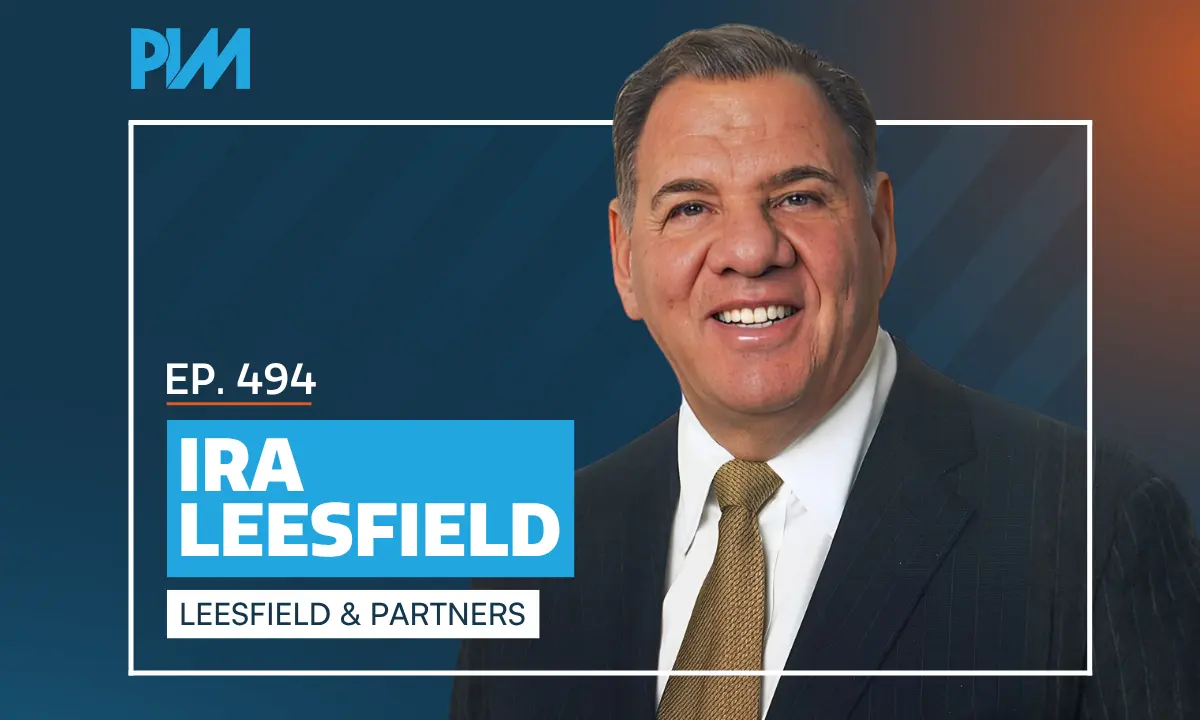
50-year trial veteran Ira Leesfield of Leesfield & Partners of Florida joins the show. Ira has secured monumental outcomes, including a $19.8 million verdict against Honda and a historic $95 million motor vehicle settlement. Today, he breaks down how staying nimble and leaning into hyper-specific niches keeps his firm winning decade after decade. We cover dominating high-barrier niches to build an unshakeable market moat, stacking targeted print marketing alongside emerging AI tools like ChatGPT and how selective case intake forces insurance defense counsel to respect your firm. This is Personal Injury Mastermind. I'm Chris Dreyer, founder and CEO of Rankings.io, a legal marketing agency for elite law firm specializing in personal injury. Let's get into it. What drew you to maritime? When did you start to enter this field? What did you like about the space and that area of the law?
Ira Leesfield:
Well, that's a great transition, Chris, because it feeds right into what our long-term business plan and business philosophy has been. And that is that you have to constantly reinvent yourself as a law firm with your lawyers in the firm, reinvent yourself in terms of subject areas, practice areas, and also reinvent yourself seriously on the marketing side of what we do. So that is a good question. What drew me into the area was it's an area of high interest and an area that we can very much make an impact on, a safety impact, both in the courtroom and in the legislatures. So that is one of a series of many transitions and switches we've made and cruise area. We're in South Florida, almost all, 98% of all cruise line cases have to be brought here in South Florida in federal court in the Southern District of Florida. That is mandated by the ticket that the passenger signs and becomes a contract. So if you are from Wisconsin and you're on a cruise anywhere and there's an untoward event and you've got to litigate, it's in our backyard.
Chris Dreyer:
That's an interesting... I've never thought about that because for say auto, the big comparison, most of our listeners, it's very regional, local DMA, outside of Vegas. Vegas, there's a lot of tourism and a lot of out-of-staters come into Vegas, but it's interesting that anyone that's going to take a cruise is probably in your backyard and that carries a distinct advantage.
Ira Leesfield:
It does. And our marketing efforts have paralleled our historic results over all these years. We know almost in specifics where people come from into Florida, what the most productive states are in terms of new clients. We market those areas, we look at where our past cases have come from. And so our direct mail and our other magazine and journal efforts market the areas where people come from. Of course, you never know where the next case will come and our reach is intended to be not just national, but international. People come here from Europe, the United Kingdom in particular, but all of Europe, Canada. We try to stay top of mind to the lawyers in those jurisdictions and to clients. Today, as a matter of fact, as the day started, the first case when we opened our screens this morning was a very serious case involving a young child that came from ChatGPT. These people had done their research and found us.
Chris Dreyer:
Multichannel marketing isn't about throwing money at every shiny new object. It's about knowing where your prospective clients originate and building a presence across journals, direct mail, and digital search. That way when someone asks AI or Google for the top lawyer in a specific niche, your firm is the immediate recommendation. But brand visibility needs nothing if you don't have a dedicated operational systems tracking every single lead and where they come in. You kind of opened the door to marketing and you caught my attention with the print and the magazine side because most of the time it's digital or broadcast television or radio. So how are you utilizing print and magazines? I guess it's a different demographic and what they consume or different target market ICP. So talk to me about the print and the magazine side.
Ira Leesfield:
Well, I think our journal presence, we've been in most of the leading journals with a consistent message for certainly over a quarter of a century. Longevity matters a lot, but longevity alone gets you nowhere if you don't perform, if you don't give fair treatment to your clients, answer phone calls and treat people with respect and keep them informed so that you can market all day and night. We do journals, lawyer to lawyer, primarily that market. We do direct mail probably more than most, and we direct mail both to geographic areas. We know where people are coming from, for instance, New York and Georgia and other states where they come to Florida, and we do direct mail and marketing on subject matter, whether it be cruise ship or e-bikes or negligent security or any of the areas. We market that as well. We have a marketing plan and many businesses and law firms in particular are not very organized to their minds.
You come in the morning, your marketing is let me call somebody or who called me? Well, who called me is dependent upon who's thinking of you. So we don't have that. We have an actual marketing and media manager who does blogging every day, and she'll be blogging on this recent verdict yesterday in the Pino voting case because we have so many comparable voting cases. It's tragic, very tragic. So we don't let it rest.
Chris Dreyer:
That's incredible and I like the intentionality behind it. A lot of trial attorneys, they think that marketing's taboo and they kind of just lean just on the verdicts, but you're being very intentional in maximizing the distribution of your results and to get future cases. I heard Michael Mogul talk about could be the best lawyer in the world, but if nobody knows about you, you're not going to get the excellent cases.
Ira Leesfield:
That's true. And not just know about you, but they have to know what you do. I have some friends, wonderful friends and colleagues that are president of this, chairman of that, and they're very well known by their name, but the public or more so the 124,000 lawyers in Florida and around the world, they don't know what you do. So you have to tie your activity, you have to tie your focus to who you are so that when somebody today sitting in Michigan says, "Somebody called me on a cruise ship case."
They have to say, "Who am I going to call in Florida?"
They're usually alert enough to know that it's got to be a Florida case with a one-year statute of limitations, which is short in federal court. And for that reason, we emphasize our federal practice by hiring federal law clerks who have graduated and moved on to our firm. There's a lot of though, and I liked your word intentionality because we just don't haphazardly skip into the office or skip through the year and say, "Well, how we do?"
We track it. I can tell you if you've got a couple of hours, I can tell you where the cases come from.
Chris Dreyer:
Tracking your marketing gets high value cases through the door, but generated leads means nothing if your team lacks the courtroom reps to try them. In an era where Zoom depositions and quick settlements threaten the real trial experience, investing in young talent is the operational move to protect your firm's long-term legacy. Another thing that you care deeply about is developing these young lawyers, and there's been this sense of death of the trial lawyer where we're losing this generation of trial lawyers because they're sitting behind a Zoom screen and it's not as many through and through trial lawyers are developing those skills. So you wrote a course, you're helping younger attorneys beef up their skills. So what specific raw trial skills do you feel younger attorneys are missing today?
Ira Leesfield:
Well, I think the primary thing that's missing is confidence. How do you get confidence in standing up in front of a jury that may it please the court and trying a full case, which is a pretty big experience if you haven't done it. It's sort of like how do you become an actor on Broadway? Well, you join the Actor's Guild. How do you get into the Actor's Guild? You do a lot of performances which you can't get. So in the trial world, confidence and knowledge and experience, and the more experience you have, the more confidence you have. So we started this program, my firm, along with the recently late Chief Justice Fred Lewis, who tragically died two weeks ago, he was the Chief Justice of the Florida Supreme Court and a great legal educator. I got on the phone and called 15 or 16, the judges, federal and state and trial lawyer leaders and said, "We're going to do this program called Classroom to Courtroom and make the transition, and would you help with the curriculum? Will you appear?"
And no one said no, which I am very happy about. So 15 or 16 esteemed judges and lawyers and former prosecutors all joined in and we've done six programs. We finished five here in my office in Dade County. We moved the sixth to Key West where we have a very, very active office in the Florida Keys. We just did a program there about two weeks ago with about 60 lawyers in attendance and about six or seven judges at least, and it was very successful. Then you get unsolicited feedback, Chris, which is the best. A young lawyer said, "This was free. I got three C elite credits. I learned more than I learned in two years or three years at my big firm where I never got to take a deposition and I never got to step in court."
So it's available and next year, starting October 15th, we are going to go on Zoom. We're going to make it more accessible because we ran out of room. Every single event was oversold. And so on the 15th of October, we start again for next year.
Chris Dreyer:
That's incredible. I love the competence builds confidence and getting the reps in. You can't just watch Steph Curry shoot a bunch of threes and expect you're going to be a good three point shooter. You got to get in the arena, so to speak.
Ira Leesfield:
It's true.
Chris Dreyer:
The other thing too is technology. We saw COVID and then instantly Zoom was everyone was using Zoom, depos, what have you. And now in depos, you've got AI that can listen and I think there's a tool called Second Chair. I haven't had them on the pod yet where it will say, "Hey, maybe ask this question, maybe you missed this question."
How do you think technology shifts, particularly AI shifted? How do you think about it in your practice? How do you incorporate it in your practice?
Ira Leesfield:
Well, it's huge. It's bigger than I ever thought would happen. And we want to make sure that technology works for us and that we're not working for technology. I mean, it's true. This morning when we got in, we have all of our lawyers and paralegals sort of on the same floor and I walk by and we have these very nice handmade signs that say Zoom in progress or pre-depo or depo by Zoom in conference. So for us, it's been very helpful. We use experts, very qualified experts, but sometimes they're all over the world. And rather than flying to San Francisco to depose a neurosurgeon in a medical negligence case, which is something we do a lot of, rather than spending a whole day, or actually it'd be two days flying out and back, we do it by Zoom. The defendants and opposing counsel are happy usually to do that. We're happy to do that, and we get a very quality product.
So that is the upside. The downside is that it has depersonalized the practice somewhat, and I still believe that the best deposition I'm going to take, the depositions that's going to win the case is the deposition I'm sitting across from the witness or the defendant and watching his or her facial expressions, her reaction, and what she's saying and how she's saying it. I think that is the highest quality. But if you give up a little bit of that, you also gained in the cost of cases, your clients benefit because they don't have to fly you to San Francisco, put you in a hotel and feed you at Waffle House.
Chris Dreyer:
Leveraging tools like Zoom for depositions saves time and keeps case costs low, but technology is only a multiplier in your core strategy. To build true enterprise leverage, you can't rely on being a high volume settlement shop. You have to selectively target complex high value practice areas like carbon monoxide, e-bike safety, and maritime law, or your reputation alone drives case value. You also talk about choosing cases of quality over quantity, and you learned that early on in your career. So maybe you could expand on that, the complex litigation side. Obviously the advantages of, for an auto attorney, they're thinking about less accidents, collision detection, and how that's going to impact their practice and how you're more versatile. You got the e-bikes, the scooters, maritime, you mentioned negligent security, so you have a greater breadth of cases that you can really serve as a trial attorney. How has that influenced your success in your profession?
Ira Leesfield:
Well, I think it's a key business program to our practice. We probably have at least eight areas, substantive areas of law that we can bear down on and find the best experts and replicate some past efforts that we have been successful in and learn from some past mistakes. So if you add up, as you mentioned, negligent security, obviously everyone does motor vehicle. We do a good diet of medical negligence. We have a terrific crew here. We know where the experts are. We've made our way in carbon monoxide cases in more than one way. Number one results in court in the carbon monoxide cases, which I think we have about the most leading results and Legionnaires cases. We have one lawyer in particular who knows everything about Legionnaires cases and the best experts we could find. So now when we get a call on a Legionnaires case, it could be from Milwaukee, it doesn't matter.
We know where to go. Those cases are very interesting and challenging. Maritime, as you mentioned, the cruise ship, maritime is divided both into we'll call boating and large cruise ships. We're on board, so to speak, on board with the experts there. We know where the bones are buried, and even of equal importance or greater importance, the opposing counsel, the litigants, the claims managers, the insurance companies, the defense lawyers and the judges, after all these years of doing it right, of taking the high road, they know us. So if a house counsel for X cruise line gets a complaint filed by our firm, they know we've screened the case. They know we have the experts. They know we don't take cases of marginal quality.
And so the first letter, the first report written to the insurance carrier or the claims' manager is, "This case was filed by this firm. This firm knows what it's doing. It's never going to go away. It has the economic and person power resources to take this case to fruition. It is not a new kid on the block or fly-by-night firm. We will not be able to wear them out. We will not be able to bully them or bluff them. They have a 50-year history," which is going forward at a more rapid pace than the past 50 years, to be honest with you. So all of that adds up in the substantive areas. So when you talk about carbon monoxide, not only do you have the verdicts and you prove yourself in court, but we engineered and masterminded and pioneered a very important carbon monoxide detection legislation. We're in the forefront of forcing public housing and public facilities to add carbon monoxide monitors to the fire monitors. There's a few other areas, at least two or three, where we have changed the law both through courtroom results and through legislation.
Besides carbon monoxide, we're working now on boating industry. We have a big push going on. I believe many people have referred to us as sort of the pioneers in e-bike enforcement. It's a huge problem nationally. We are tracking that, municipalities and the states and the localities that are putting common sense restrictions and legislation in place for a very threatening problem. So there's different ways to impact your practice and to, as I said, to transition your practice, certainly to keep reinventing yourself. And we've found our niche and we're not complacent, we don't rest on our laurels, we treat our clients well, we keep them informed. And when we keep them informed, they're living in a multifamily condominium in Boca Raton and they have a lawyer and 600 neighbors and say, "Yeah, we got a lawyer. Our lawyer called us today or he sent us a pleading." It's good business.
Chris Dreyer:
One of the things I just wanted to lean into, and you've mentioned this a couple of times, is the reinventing yourself and the scooters, the maritime. How do you look at an area of law to say, "Hey, I'm going to lean into this." Maritime, there's clear demand, it's in your backyard. What goes into, "Hey, now I see this," or is it, "I see an issue," and it's more that, the purpose driven? What goes into it? Is it Good to Great talks about the hedgehog concept, the purpose, passion, and profit, and you need all three. But for you, what drives the decisions to reinvent yourself and to choose these area of law?
Ira Leesfield:
Believe it or not, the area almost selects you. It's a little inverse. The first motorcycle case I handled, which was about 30 or 35 years ago, it was a products' liability defect in one motorcycle. It happened to be Yamaha, and I found out where the bones were buried, why this defect existed, got the experts to show it. And from that one case, which I remember distinctly right now, it was representing a deputy sheriff in Monroe County in the Florida Keys. I probably did a steady diet of 20 years of motorcycle cases, the same exact defect for Honda, Kawasaki, and the other major manufacturers, 20 years of that. Most of it was in California taking depositions of Japanese engineers, but I knew what I was doing. They knew what I was doing. And even after I got the $19.8 million verdict in Erie, Pennsylvania against Honda, I would've thought that that would've been enough for them to start to settle cases with me.
And it didn't exactly go that way. We were still fully litigating the cases. And then when finally they got the message that the fix on this particular defect, which happened to be a side stand, the fix cost about $6 or less to save. And when you're injured on a motorcycle, it's not a broken bone. You're either dead or paralyzed. And they finally fixed it. All of the manufacturers didn't fix it. They stayed in tandem, not wanting to be the first one to spend that extra money or do the extra engineering. And so when they fixed that, the cases went away. Very gratifying to me, a little scary about my income. But then along came ATVs, and in particular the three-wheel ATVs, which had a defect of having a narrow wheelbase and a high center of gravity. If you went into something called a J-turn, you rolled over and kids were all over the map on ATVs, as you can imagine.
Chris Dreyer:
Done that myself. Yep.
Ira Leesfield:
And in agricultural areas, I had a case in New Ulm, Minnesota, not exactly around the corner from Miami, but it was a very tragic case that I handled in Minnesota in federal court. So the areas find you. And so after years of litigations of the three-wheel ATVs, the government, the Consumer Product Safety Commission and NHTSA, National Highway Transportation Administration, they regulated this and all of the three-wheelers were out. They shipped, the last I heard, two million of them to Mexico. They got rid of their inventory and they re-engineered two four-wheelers, and I have not had a case since. The four-wheel, it doesn't have the instability, it doesn't have the danger, and great. So we made a change through litigation there and legislation through the administrative agencies. They take notice, and if they don't take notice, we put them on notice. So the areas kind of find you.
It's serendipitous, Chris, and the same with Legionnaires. No one was doing a steady diet of Legionnaires, but in our firm, one of our leading lawyers, Eric Shane, found the key, found the expert, got great results. I think we have the largest Legionnaires results in the country right now, and we didn't find them. I think they found us online actually, and we had done one or two over the years. So they came to us, we got a great result, and it used to be that I would go to court either for a hearing or calendar call or a trial. There would be a result. You'd see 30, 40, 50 lawyers at the courthouse. You got this result, and by word of mouth, you got back, and other lawyers who didn't do personal injury, most do not refer cases to us.
But by word of mouth, just by spreading the results, success breeds success, we got a lot of cases. Well, now, as you pointed out with Zoom, we're not in hearings. There were fewer trials, and so you don't have the one-on-one so much. In replacement of that, you have to, again, pivot and make sure that people know what you're doing, even though they don't see you in the courthouse and say, "Let's go have a cup of coffee."
Chris Dreyer:
Well, that's incredible, and I applaud your nimbleness and your ability to move into these areas and create an impact for everyone, and this has been incredible. And just one final question here, Ira, for our audience listening that has a case in one of the specialties that we discussed, what's the best way to get in touch with you?
Ira Leesfield:
Well, we've made that pretty easy. I mean, our website is very well presented, so the website is www.leesfield.com.
Chris Dreyer:
Ira, thank you for coming on the show.
Ira Leesfield:
Thank you, Chris.
Chris Dreyer:
Ira Leesfield's 50-year track record proves that long-term firm growth requires constant reinvention. By dominating high barrier practice areas and fighting for safety legislation alongside courtroom verdicts, Ira built a firm that commands immediate authority. So if you're looking at your firm's trajectory, ask yourself, "Are you constantly reinventing your practice and marketing strategies or are you waiting for the market to force your hand?"
The firms that win over decades are the ones that adapt early, build real leverage, and execute with relentless intentionality. I'm Chris Dreyer. Thanks for listening to Personal Injury Mastermind. See you next time.